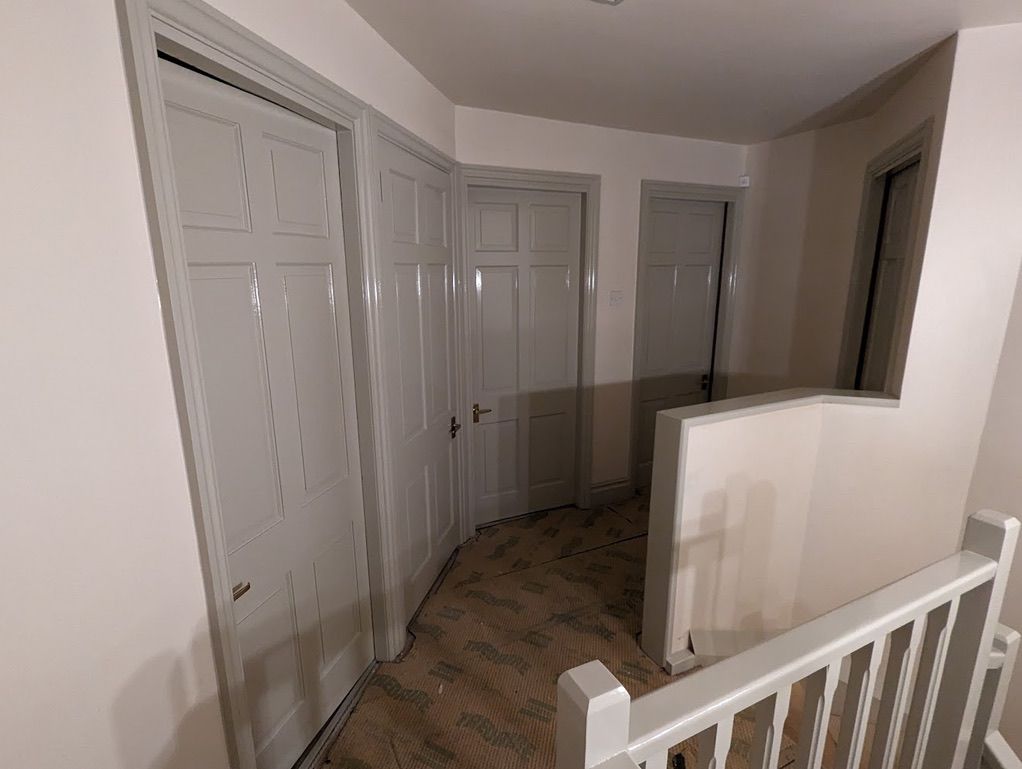
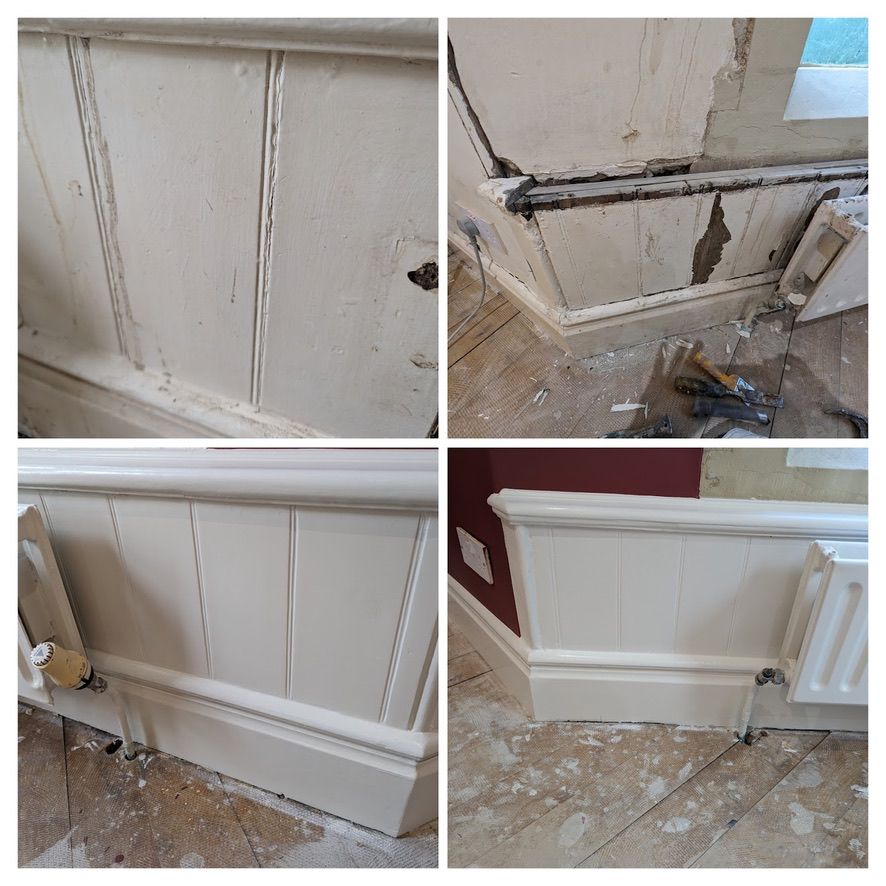
Lancaster · Surface Preparation

Surface Preparation in Lancaster: Why the Hidden Work Defines the Finish

Lancaster's housing stock — the Georgian terraces around Castle Hill, the Victorian semis off Bowerham, the converted mill apartments on the Lune — has one thing in common. Almost none of the walls are blank canvases. Layers of paint, generations of repair and shifting old plaster all hide beneath the most recent coat, and a beautiful finish depends on dealing with them properly.

Reading the wall

Our first job on any Lancaster property is to understand what is in front of us. We test for distemper, check for hairline cracking, look for shadow lines from previous wallpaper, and probe any soft or hollow areas with a fingertip. The findings shape the spec — there is no point quoting a number of coats before you know what is under them.
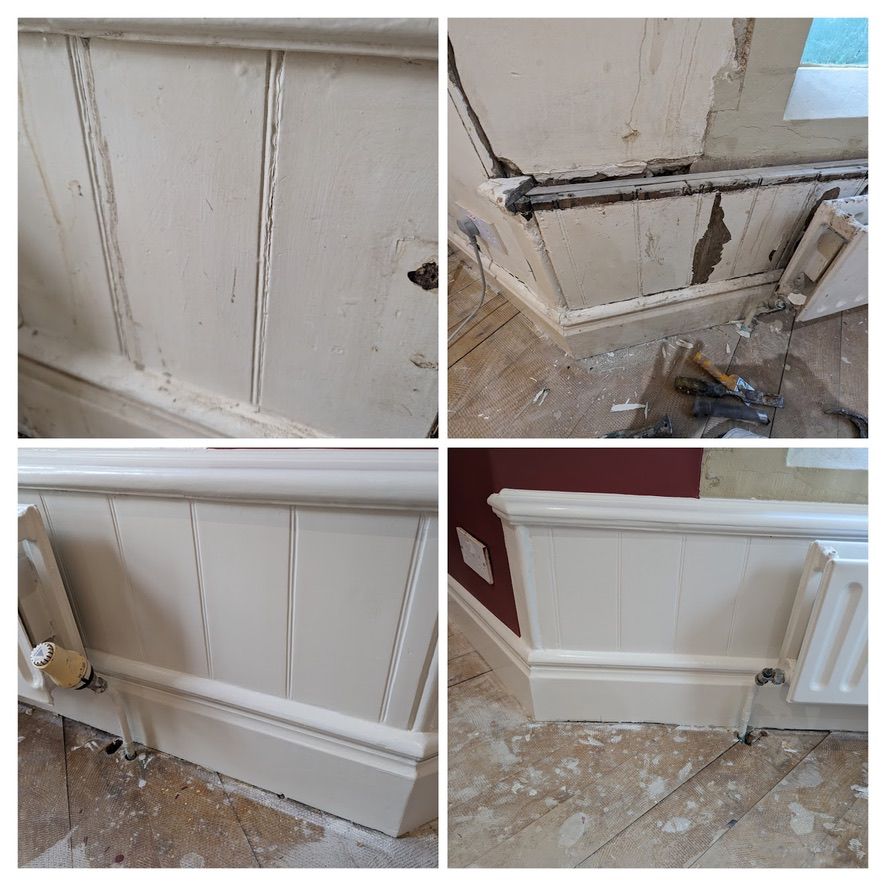
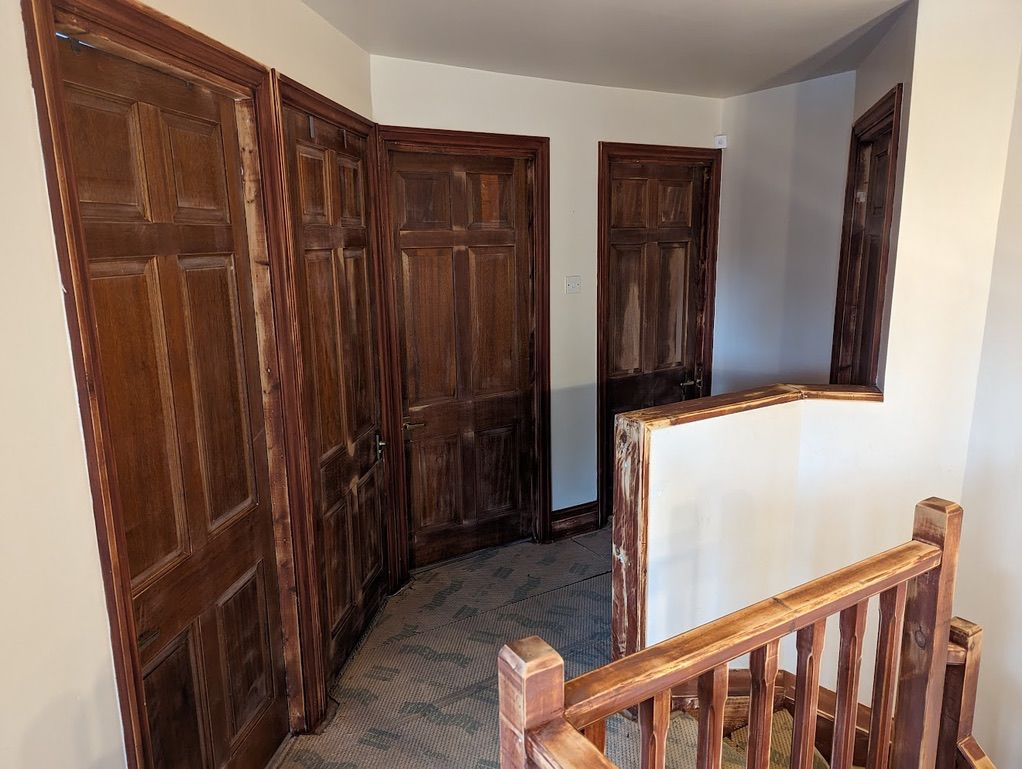
Filling, not papering over

We fill cracks with the right product for the substrate: flexible acrylic on movement cracks, lightweight fillers on shallow defects, two-part for anything structural. Each fill is sanded back flush, dust-extracted and spot-primed so the patch behaves identically to the surrounding wall once the topcoat goes on.

Stabilising chalky or porous surfaces

Older Lancaster plaster often presents as chalky or thirsty. A stabilising primer or mist coat at the correct dilution binds the surface and gives the finishing paint something consistent to grip. Skip it and you get patchy sheen, flashing and roller texture that no amount of topcoat will hide.

Dust control and protection

We work with dust-extracted sanders, drop-cloths over every surface, and zip-up containment where needed. A clean site is a faster site — and your home stays liveable while we're in it.

Related service

Surface Preparation

See how we deliver surface preparation across Cumbria and Lancashire.

From this project

Surface Preparation in Lancaster

Preparation
Before finishing
After

Frequently asked

Questions about surface preparation in Lancaster

Why does preparation cost more than I expected?+

Most of the labour on a quality decorating project is preparation, not paint. It is what determines whether the finish lasts two years or fifteen.

Do you work on Lancaster's listed and conservation-area properties?+

Yes — we're comfortable with the materials and methods that listed and conservation work calls for, and we'll liaise with your architect or conservation officer as needed.

A Final Thought

We aren't the cheapest decorators.
We're the ones you call for a flawless finish.

Honest advice, careful preparation and beautiful results across Cumbria and Lancashire.

Call UsWhatsApp