
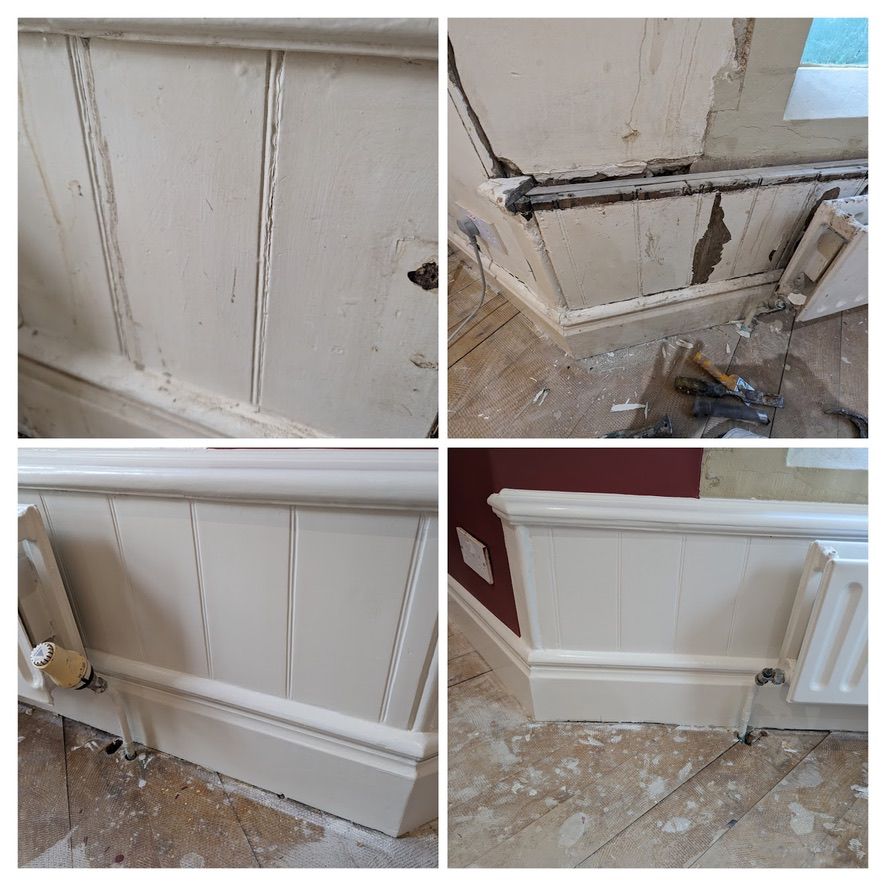
Sedbergh · Surface Preparation

Why Preparation Defines the Finish: The Unseen Work Behind Every RENOV8 Project

Ask most people what makes a decorating job look good and they'll say the paint. Ask any decorator worth hiring and they'll tell you it's everything that happens before the tin is even opened. Around Sedbergh and the wider Yorkshire Dales fringe of our patch, where stone cottages and old farmhouses dominate, that gap between 'painted' and 'properly finished' is almost always down to preparation — or the lack of it.

Paint hides problems, it doesn't fix them

A fresh coat will cover a multitude of sins for the first few weeks. But anything that was loose, damp, greasy or poorly filled underneath will reappear. Within a year you start to see flashing where the sheen is uneven, cracking along the lines of old filler, and peeling at the edges where adhesion failed. The paint itself is rarely the failure; it is simply the last layer telling the story of everything that was skipped beneath it. That is why we strip back, rather than skim over.
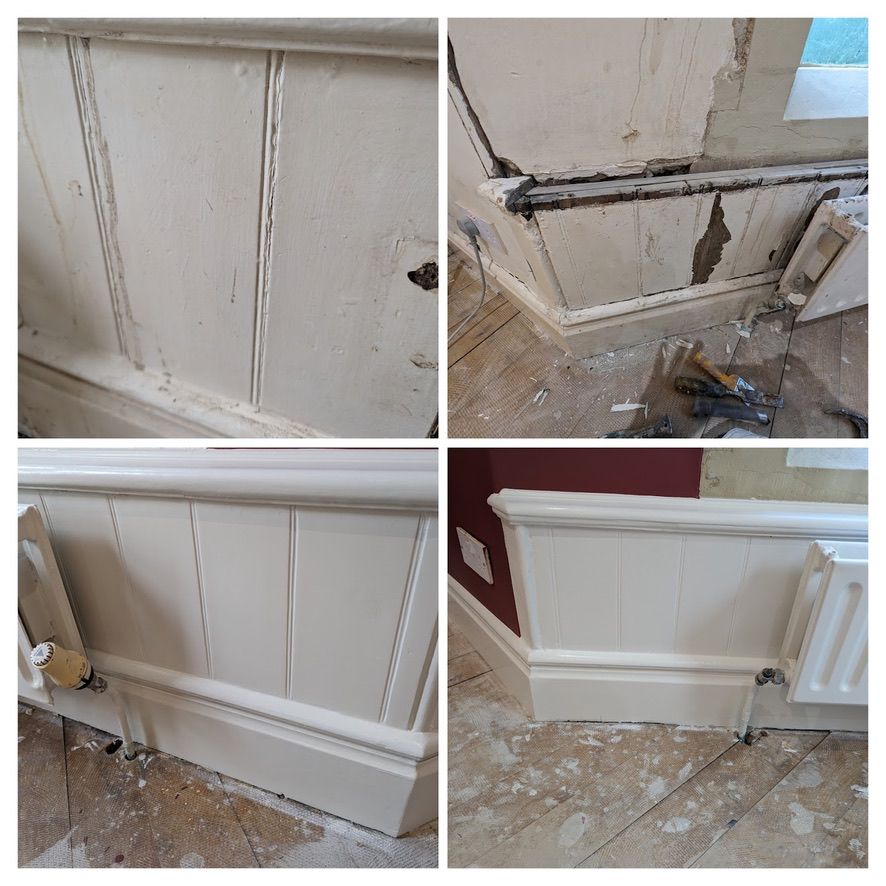
What proper preparation actually looks like

Our surface-preparation work follows the substrate, not the schedule. Cracks are raked out to a clean V so the filler has something to grip. Filler is applied in thin, successive coats rather than one deep blob that will shrink back. Bare timber, exposed plaster and stained areas are sealed with the right primer so the topcoat dries uniformly. Sanding is done by hand or with dust extraction, and every surface is vacuumed and tack-clothed before the first coat goes on. On an old Sedbergh cottage that can mean a day of preparation for every hour of brushing paint.

Preparation is what determines lifespan

The difference between a two-coat job that fails in two or three years and one that still looks tidy after a decade is almost always the prep. A properly stripped, filled, primed and sanded surface gives the paint a sound base to grip. On interior walls that means ten to fifteen years of clean wear; on exterior timber in the Dales climate it can mean eight to twelve years before a full repaint. Cut the preparation short and you are not saving money — you are buying the same job twice.

The invisible part of the bill

Clients rarely see the preparation at its best because it is the stage that removes the mistakes of previous decorators and leaves nothing dramatic behind. There is no glossy reveal, just a flat, even surface that looks almost ready to paint. But it is where the majority of the labour goes. Stripping, repairing, filling, sanding, priming and cleaning can account for sixty to seventy percent of the time on a typical room. The painting itself is the reward for getting the preparation right.

How we approach every job

Whether we are touching up a single hallway in Sedbergh or repainting an entire farmhouse, we follow the same sequence: assess the surface, repair the substrate, seal and prime, then finish. We do not adjust the quality of preparation to suit the size of the job. A small room with bad walls needs the same care as a large one. That discipline is what lets us stand behind the finish, and it is why we never rush the stage that nobody sees.

Related service

Surface Preparation

See how we deliver surface preparation across Cumbria and Lancashire.

From this project

Surface Preparation in Sedbergh

Preparation in progress
Ready for the finishing coats

Frequently asked

Questions about surface preparation in Sedbergh

Why does preparation take longer than the painting itself?+

Preparation is where the real restoration happens. Stripping failed coatings, filling cracks properly, sanding everything level, sealing stains and removing dust all take time, but they are what allow the paint to last. The painting is the visible final stage; the preparation is the structural work underneath it.

Can you tell how a previous job was prepared just by looking at it?+

Often, yes. Peeling at edges, cracking along filled lines, uneven sheen and surfaces that look 'painted' but not 'finished' usually point to shortcuts in preparation. When we assess a room, we can usually tell within a few minutes whether the last decorator spent time on the substrate or simply rolled over it.

A Final Thought

We aren't the cheapest decorators.
We're the ones you call for a flawless finish.

Honest advice, careful preparation and beautiful results across Cumbria and Lancashire.

Call UsWhatsApp